Can Bad Gut Bacteria Make You Gain Weight?
- Tami Hayman

- Mar 17
- 2 min read
Updated: May 12

If you have been eating carefully and staying active but still struggling with your weight, the issue may not be just calories or willpower. Research increasingly shows that gut health can influence how the body stores fat, regulates appetite, and responds to food.
Gut Bacteria and Weight Gain: Can an Unbalanced Gut Actually Cause It?
Studies suggest that the gut microbiome, the community of bacteria living in the digestive system, may affect body weight in several ways. An imbalance in gut bacteria has been linked to inflammation, metabolic changes, and increased cravings, all of which can make weight management more difficult.
When gut health is disrupted, a few things can happen:
Your body may extract more calories from the same food
Hunger and fullness signals may become less accurate
Low grade gut inflammation can interfere with metabolism and insulin sensitivity
Cravings for sugar and processed foods may increase
Digestion can become less efficient, contributing to bloating and discomfort
Researchers continue to explore the connection between the gut microbiome and weight gain, especially how certain bacterial strains influence metabolism and fat storage. Some studies suggest that gut bacteria and metabolism are closely connected, particularly in the way the body processes calories and regulates fat storage.
Signs Your Gut May Be Off
Many people experiencing digestive issues may not realize they are also common signs of poor gut health.
Some of the most common unhealthy gut symptoms include:
Feeling bloated or uncomfortable after meals
Energy crashes after eating
Persistent sugar or carb cravings
Difficulty losing weight despite consistent effort
Irregular digestion or constipation
Frequent stomach discomfort
If several of these symptoms feel familiar, improving digestive health may help support better energy balance and overall wellness.
What Helps Restore Gut Balance
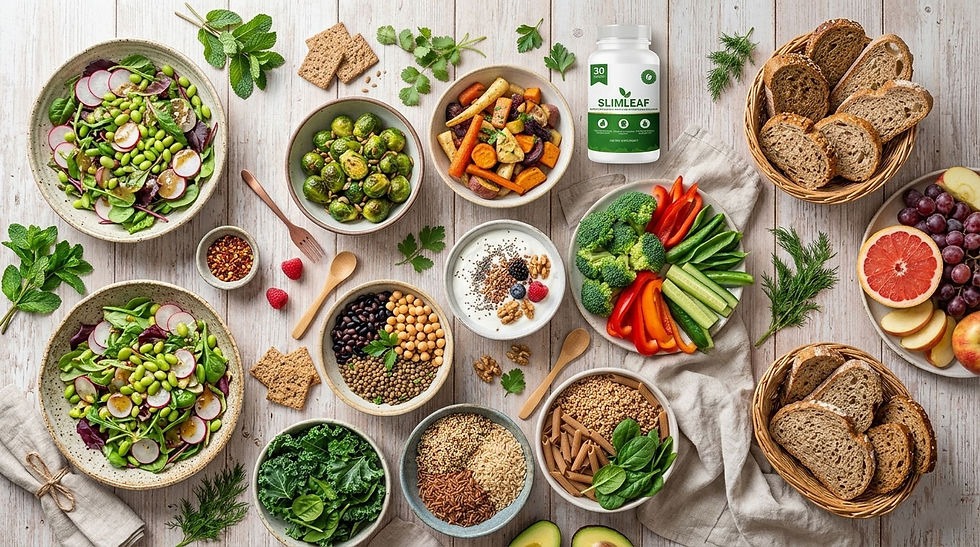
The gut responds best to consistent daily habits. Eating more fiber rich foods, limiting ultra processed products, managing stress, staying active, and sleeping well can all help support a healthier gut microbiome.
Many people also explore probiotics for weight management and digestive support, especially after periods of stress, poor diet, or antibiotic use. Prebiotic fibers may also help nourish beneficial bacteria and improve gut balance over time.
A Supplement Designed for Gut and Metabolic Support
Slimleaf is formulated to support digestive health and metabolic wellness with a combination of probiotics and prebiotic fibers. Its formula includes Akkermansia muciniphila and Bifidobacterium infantis, along with ingredients like chicory inulin and resistant starch designed to nourish beneficial gut bacteria.
By supporting gut balance, some users report improvements in bloating, digestion, appetite control, and overall wellness as part of a broader healthy lifestyle.
It is made with natural ingredients and designed for daily use alongside healthy nutrition and lifestyle habits.
This article is for informational purposes only and does not constitute medical advice. Always consult a qualified healthcare professional before starting any supplement.


Comments